Fuel Tanks: Reliable Energy Storage for Safety and Efficiency
Release time:
2026-01-04
In today’s energy-driven world, fuel tanks play a critical role in ensuring stable, safe, and efficient fuel storage and delivery for a wide range of applications. From automotive and transportation to industrial machinery, agriculture, power generation, and marine use, fuel tanks are the backbone that keeps equipment running smoothly and operations uninterrupted. Designed to store gasoline, diesel, aviation fuel, or other specialized fuels, modern fuel tanks combine advanced materials, precision engineering, and strict safety standards to meet the growing demands of global markets.
At the core of every high-quality fuel tank is a clear structural framework that prioritizes durability and reliability. Advanced fuel tanks are manufactured using materials such as high-strength steel, aluminum alloys, or high-performance polymers, each selected to match specific operating environments. These materials provide excellent resistance to corrosion, impact, pressure changes, and extreme temperatures. Precision welding, seamless molding, and reinforced structures ensure that the tank maintains integrity over long-term use, even under harsh conditions such as vibration, heavy loads, or outdoor exposure.
One of the most significant product advantages of modern fuel tanks is their enhanced safety performance. Leak-proof designs, anti-static features, and pressure-relief systems reduce the risk of fuel leakage, evaporation losses, and fire hazards. Many fuel tanks are engineered to comply with international safety and environmental standards, helping customers meet regulatory requirements with confidence. For industries where safety is non-negotiable, such as aviation, mining, and chemical processing, a well-designed fuel tank provides peace of mind and operational stability.
Efficiency is another key benefit that fuel tanks bring to customers. Optimized internal structures allow for better fuel flow and reduced residue, ensuring maximum usable fuel and minimizing waste. Lightweight designs, especially in automotive and transportation applications, help reduce overall vehicle weight, leading to improved fuel efficiency and lower operating costs. Customizable capacities and shapes enable seamless integration into different systems, making fuel tanks adaptable to diverse equipment layouts and space constraints.
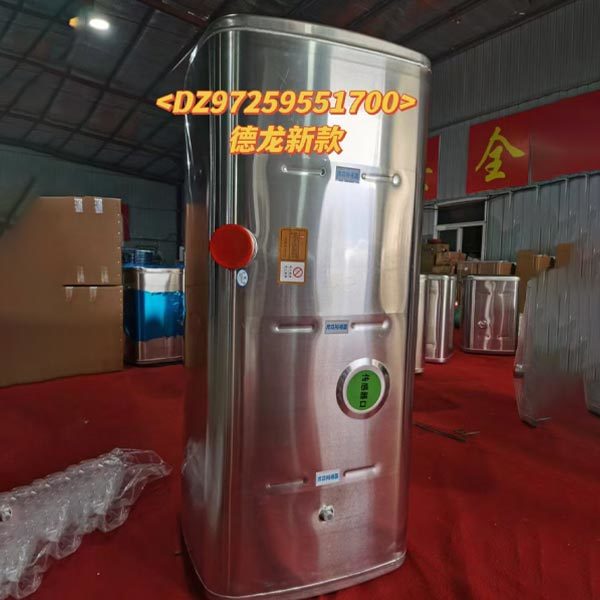
The functional role of fuel tanks extends far beyond simple storage. In many systems, they serve as an integral part of fuel management, supporting consistent fuel supply, pressure stability, and temperature control. For generators and backup power systems, fuel tanks ensure uninterrupted operation during power outages, protecting businesses, hospitals, and data centers from costly downtime. In agricultural machinery, reliable fuel tanks enable long working hours in remote fields, directly supporting productivity and efficiency during critical seasons.
Real-world application cases clearly demonstrate the value of high-quality fuel tanks. In the transportation sector, logistics companies rely on durable fuel tanks to support long-distance trucking, reducing the risk of leaks or breakdowns that could delay deliveries. In construction and mining projects, heavy equipment equipped with reinforced fuel tanks operates continuously in rough environments, maintaining performance despite dust, vibration, and uneven terrain. In marine applications, corrosion-resistant fuel tanks ensure safe operation in saltwater conditions, extending service life and reducing maintenance costs.
From the customer’s perspective, fuel tanks solve several critical pain points. Poor-quality tanks often lead to fuel leakage, frequent replacements, safety risks, and unexpected downtime, all of which increase operational costs. By investing in well-engineered fuel tanks, customers gain long-term reliability, reduced maintenance requirements, and improved safety compliance. Custom design options also address challenges related to space limitations, special fuel types, or unique operating conditions, providing tailored solutions rather than one-size-fits-all products.
In an era where efficiency, safety, and sustainability are more important than ever, fuel tanks continue to evolve as essential components across industries. Through advanced materials, smart design, and strict quality control, modern fuel tanks deliver dependable performance that supports productivity, protects assets, and ensures safe energy storage. For businesses seeking stable operations and long-term value, choosing the right fuel tank is not just a technical decision, but a strategic investment in reliability and peace of mind.
Latest News
The Aesthetics of Fender Brackets: Merging Style and Functionality in Automotive Design
The Aesthetics of Fender Brackets: Merging Style and Functionality in Automotive Design Fender brackets are often overlooked components in automotive design, yet they play a crucial role in both the function and aesthetic appeal of vehicles. In this article, we will explore how fender brackets combine **style** and **functionality**, offering an in-depth look at their design, materials, and the im
2026-09-27
Comprehensive Guide to Understanding Fuel Tanks in Automotive Systems
Fuel tanks are a crucial component of automotive systems, serving as the storage vessel for fuel that powers internal combustion engines. Understanding the intricacies of fuel tanks can help vehicle owners and enthusiasts appreciate their significance and ensure optimal performance and safety. Fuel tanks are typically made from materials like steel or high-density polyethylene (HDPE). Steel tanks
2026-09-24
Do You Really Need an Oil Filter? Debunking Common Myths
Do You Really Need an Oil Filter? Debunking Common Myths When it comes to maintaining your vehicle, few components are as crucial as the oil filter. Yet, many car owners harbor misconceptions about its role and necessity. In this comprehensive article, we aim to debunk common myths surrounding oil filters and discuss why they are indispensable for your vehicle's health. The Critical Role of an Oil
2026-09-21
Understanding Truck Headlights: Enhancing Safety and Efficiency on the Road
Truck headlights play a critical role in vehicle safety and functionality, especially for large trucks that travel long distances and often operate under various environmental conditions. Understanding the different types of headlights and their features can help truck owners make informed decisions regarding maintenance and upgrades. Traditional halogen headlights have been the standard for many
2026-09-18
Fuel Sensors: A Comprehensive Guide to Preventing Fuel Theft in Automobiles
Fuel Sensors and Their Role in Preventing Fuel Theft Table of Contents 1. Introduction to Fuel Theft 2. Understanding Fuel Sensors 3. How Fuel Sensors Work 4. Types of Fuel Sensors 5. Importance of Fuel Sensors in Fuel Theft Prevention 6. Installation and Maintenance of Fuel Sensors 7. Advanced Technologies in Fuel Sensing 8. Frequently Asked Questions (FAQs) 9
2026-09-15
Understanding HOWO Exhaust Pipes: Essential Insights for Automotive Professionals
--- The HOWO exhaust pipe is a vital component in the exhaust system of HOWO vehicles, which are renowned for their robust design and reliability. Understanding the significance of the exhaust pipe can be essential for automotive professionals, particularly those involved in the automotive electronics and electrical components sector. This article provides insights into the function, maintenance,
2026-09-12
ENQUIRE NOW
If you are interested in our products and services, please contact us or leave us a message, we will serve you wholeheartedly



Copyright : Jinan Jinbainuo Import & Export Co., Ltd. Power By : 300.cn Jinan2 SEO BUSINESS LICENSE